Historical Narratives
-
![]()
Following Orders: A "Visual Doctrine" of the Iraq War
The doctrine was simple: “photograph the war in a way that justified its existence and exaggerated its accomplishments”. These are the words of former U.S. Army combat photographer Ben Brody, who served in Iraq and Afghanistan. Embedded within military ranks, he captured thousands of images that remain the property of the Pentagon. In 2012, grappling with his enlistment, he published Attention Servicemember, a searing elegy about his experiences of war. In conversation, Brody reflects on his role as "propagandist” during a time of profound division.
-
![]()
Shots that Shaped History - A Visual Legacy of the Vietnam War
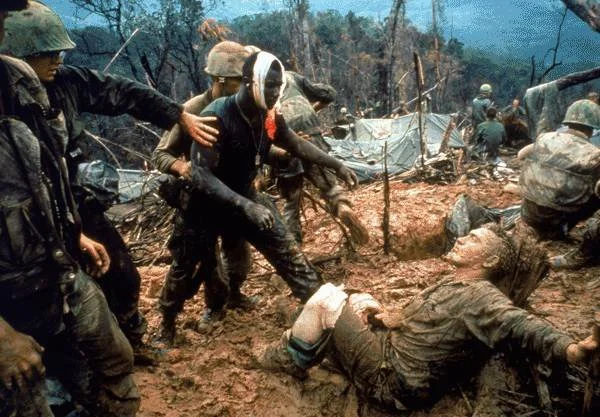
The Vietnam War is remembered as a brutal civil war and by others as a bloody climactic chapter in a century-old struggle for independence. A decade of agony witnessed by the world through a camera lens. For the first time, due to the commercialisation of the portable camera, war had become widely publicised and openly criticised- the camera witness to history and the photograph was physical proof.

-
![]()
From Reservations to Rice Fields: A History of Repeated Harm
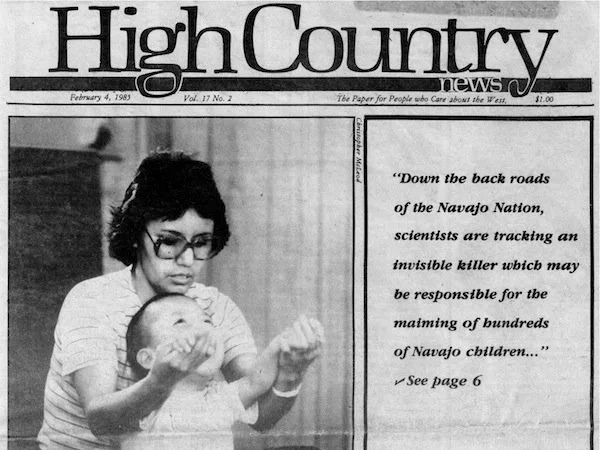
Gary Clayton once wrote, “If Western history has a common thread, it is that conquest and violence go hand in hand”, an observation that finds stark resonance in two distinct chapters of American history: Westward Expansion and Military Intervention in Vietnam. Beneath these seemingly disparate histories lies a pattern of domination enforced through cultural erasure, environmental exploitation and gendered violence that both communities bore the brunt of.
-
![]()
Staged Resistance - How Beauty Became Defiance in Beseiged Sarajevo
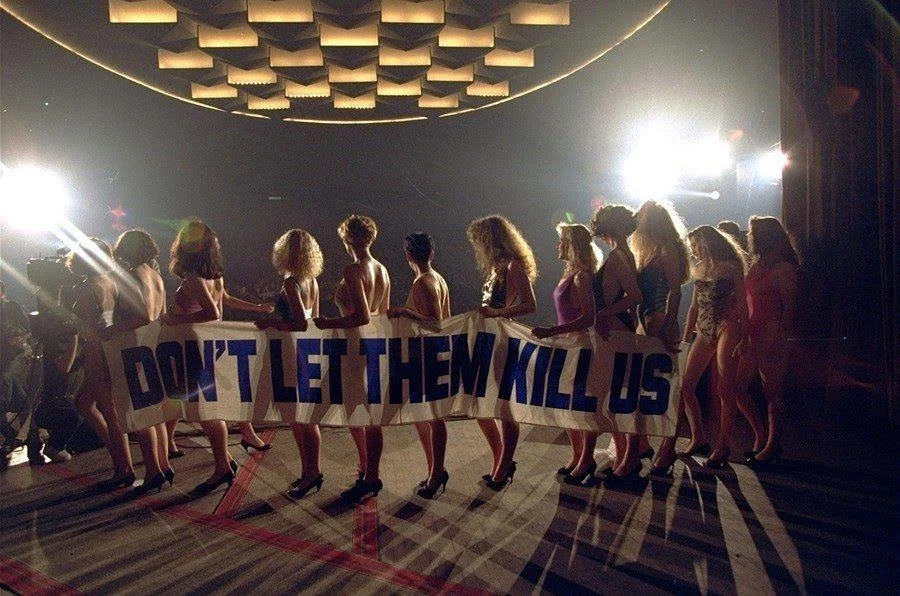
During the longest siege in modern history, the 1993 Miss Sarajevo pageant takes place. A spectacle that would make international headlines as the contenders of the beauty pageant carried out a banner reading “Don’t let them kill us” moments before the winners were announced.
-
![]()
Crossing the Colour Line - Boxing in a Politicised Arena
For the first Black boxers, the fight began long before they entered the ring. In a sport shaped by racial prejudice and social division, stepping between the ropes was itself an act of defiance, challenging who was allowed to compete, succeed and be seen.
-
![]()
From Margins to Maritime Power: Ching Shih - the Woman Who Led a Pirate Fleet of 80,000
In the early nineteenth century, a woman rose from the margins of Chinese society as a sex worker to command one of the most successful pirate fleets in history. Long absent from Eurocentric and male-dominated accounts of piracy, her ascent unsettles assumptions of piracy. Operating within - and against - the constraints placed on women, Ching Shih forged control over trade, violence, and survival across the South China Sea.

